How to Build a Deck? Best Practices!
Building a deck looks straightforward until you start dealing with spans, footings, materials, and local codes. One wrong assumption can lead to wasted lumber, failed inspections, or extra trips to the store.
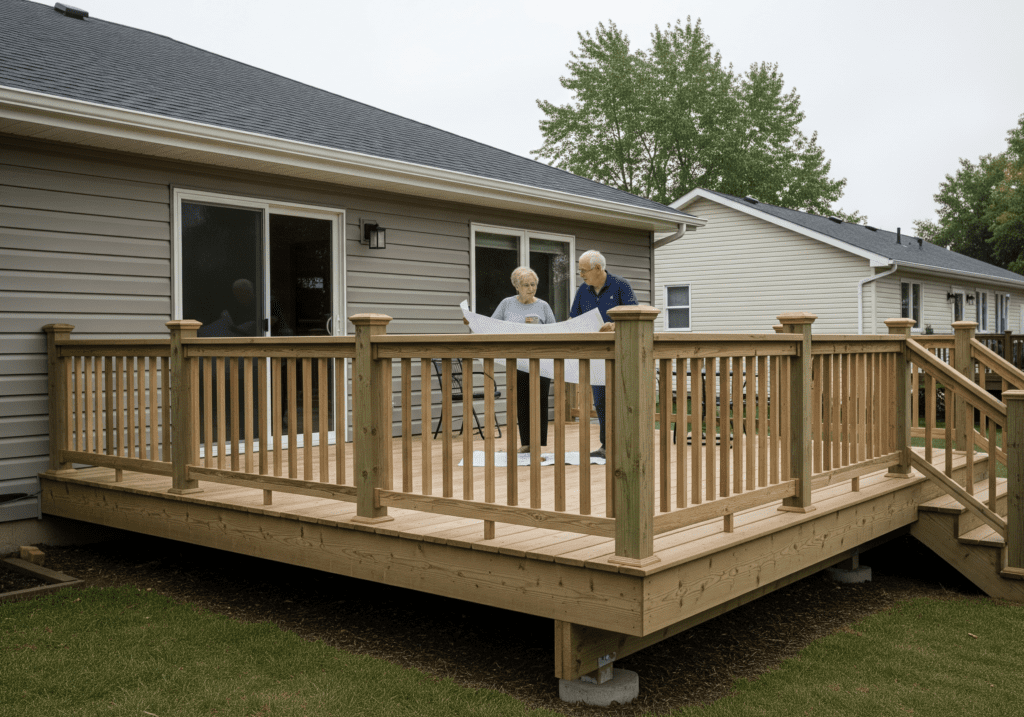
That’s where this guide on How to Build a Deck helps. It covers proven best practices. You’ll learn how decks are planned, framed, supported, and finished.
To be fair, it teaches you how decks should be built, not how to build “your” deck in “your” yard. Every deck is different. Soil conditions vary. Lumber prices change by location. Codes aren’t the same everywhere.
For actionable, location-based bill of materials, cost estimates, and a pro-level PDF, you need the DeckMaster AI. Click on the image below to get it!

Use this guide to learn the fundamentals. Use DeckMaster AI to build “your” deck with confidence.
Table of Contents
What Goes Into Building a Deck the Right Way
A good deck is planned before it’s built. The best-looking decks usually follow boring rules. Straight framing. Proper footings. Correct fasteners. Good drainage.
Most deck problems come from the same mistakes:
- Skipping planning
- Underbuilding structure
- Treating decks as cosmetic projects
- Ignoring local codes
Best practices are not about overbuilding. They’re about building correctly once.
Planning Before You Build a Deck
Planning sets the limits of what you can safely and legally build. It also saves money later.
Choosing the Right Deck Location
Where the deck sits matters as much as how it’s built. Some common options include:
- Ground-level decks for easy access
- Elevated decks for sloped yards
- Attached decks connected to the house
- Detached decks placed away from the home
Each option changes structural needs. For example, a ground-level deck has simpler stairs and railings, while an elevated deck requires stronger footings, taller posts, and guardrails.
If your yard isn’t flat, guides like How to Build a Deck on a Slope or How to Build a Floating Deck on a Slope become essential reading.
Permits, Codes, and Structural Rules
Decks are regulated because people can get hurt if they’re not built according to code. Most codes address:
- Footing depth and size
- Ledger attachment
- Stair rise and run
- Railing height and spacing
- Load requirements
Even small decks may require permits. Larger or elevated decks almost always do. Articles like, How to Build Deck Steps and Railings and How to Build a Deck Railing help clarify where code applies most strictly.
Choosing the Right Deck Type for Your Home
There is no single “best” deck. The right deck depends on your house, yard, and how you plan to use the space.
Attached vs Detached Decks
Attached decks connect directly to the house. They’re convenient and feel like an extension of indoor space, but the ledger attachment must be done correctly. Flashing, fasteners, and spacing matter. Poor ledger work is one of the most common deck failures.
Detached decks stand on their own. They avoid ledger issues but require more posts and footings. If attachment details feel intimidating, start with How to Build a Detached Deck.
Elevated, Ground-Level, and Multi-Level Decks
Height changes everything.
- Ground-level decks are simpler, but moisture control is critical.
- Elevated decks require stronger framing, stairs, and railings.
- Multi-level decks break large drops into usable tiers and often pair well with cascading stairs.
If your deck steps down gradually, How to Build a Multi-Level Deck and How to Build Cascading Stairs for a Deck, are natural follow-ups.
Best Deck Materials and When to Use Them
Material choice affects cost, lifespan, and maintenance. Best practices mean choosing materials that fit how you’ll actually use the deck.
Wood Deck Materials
Wood remains popular because it’s affordable and familiar. Common options include:
- Pressure-treated lumber for structural strength
- Cedar for natural rot resistance
- Redwood for a premium appearance
- Hardwood for durability and density
Wood looks great, but it requires sealing, inspection, and care. If you’re considering wood, guides like How to Build a Pressure-Treated Deck, How to Build a Cedar Deck, and How to Build a Hardwood Deck break down real-world tradeoffs.
Low-Maintenance and Modern Materials
Composite, PVC, aluminum, and steel-framed decks reduce upkeep.
These materials offer:
- Consistent appearance
- Resistance to rot and insects
- Longer service life
They cost more upfront but save time over the years. Articles like, How to Build a Composite Deck, How to Build a PVC Deck, How to Build an Aluminum Deck, and How to Build a Steel-Framed Deck explain when they make sense.
Building on Existing Structures
Many decks are built over something that already exists.
Decks Over Concrete
Concrete patios and slabs are common starting points. A deck built over concrete improves comfort and appearance, but drainage and attachment must be handled carefully.
Best practices include:
- Maintaining airflow
- Avoiding trapped moisture
- Using sleepers or adjustable supports
If this applies to your home, read How to Build a Deck Over Concrete or How to Build a Deck Over a Concrete Patio.
Decks Over Porches and Slabs
Porches add complexity because they’re often part of the home’s structure. Loads must be evaluated carefully. How to Build a Deck Over a Concrete Porch addresses these concerns directly.
Structural Best Practices Every Deck Should Follow
Regardless of size or style, some rules always apply.
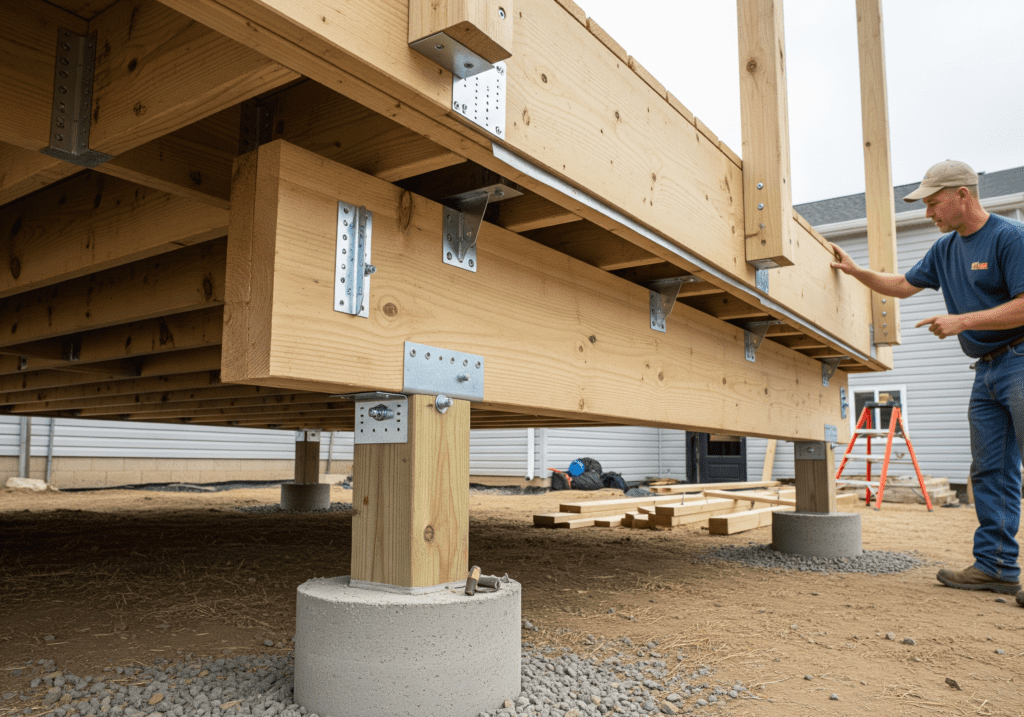
Footings and Foundations
Footings transfer load to the ground. Best practices include:
- Reaching below frost depth
- Proper diameter and spacing
- Alignment with posts above
Skipping footings or undersizing them leads to settling and movement.
Ledger Attachment and Flashing
Attached decks depend on the ledger. Correct ledger installation requires:
- Structural fasteners, not nails
- Proper spacing
- Continuous flashing
How to Attach a Deck to a House covers this in detail.
Framing, Spacing, and Fasteners
Joist spacing, beam sizing, and fastener choice are all important and matter. Use:
- Approved structural screws or bolts
- Joist hangers where required
- Corrosion-resistant hardware
Decks fail quietly when fasteners fail first.
Stairs, Railings, and Safety Features
Deck safety lives at the edges.
Stairs That Feel Right
Good stairs are consistent and predictable. Best practices include:
- Uniform riser height
- Proper tread depth
- Solid stringer attachment
How to Build Stairs on a Deck explains why stairs deserve special attention.
Railings That Don’t Flex
Railings should feel solid the first time you lean on them. They must:
- Meet height requirements
- Resist lateral loads
- Maintain safe spacing
How to Build a Deck Railing and How to Build Deck Steps and Railings show how to get this right.
Shade, Covers, and Outdoor Comfort
Comfort features must be planned structurally.
Covered Decks
Covered decks feel like outdoor rooms, but roofs add weight and complexity. Posts, beams, and footings often need to be upgraded to accommodate the additional load.
Before adding a roof, review How to Build a Covered Deck.
Pergolas and Open Shade
Pergolas offer shade without full enclosure. They still add wind load and must be properly supported. How to Build a Pergola Over a Deck explains how to attach them safely.
Common Deck-Building Mistakes to Avoid
Most mistakes are predictable. Avoid:
- Attaching posts to the decking only
- Skipping flashing
- Ignoring drainage
- Mixing incompatible materials
- Building without permits
Fixing mistakes later costs more than doing it right once.
DIY vs Hiring a Professional
Not every deck should be DIY. DIY makes sense when:
- The deck is simple
- The height is low
- You’re comfortable with tools and code
Hiring a professional is often better for:
- Elevated decks
- Complex stairs
- Rooftop or balcony decks
- Structural retrofits
Knowing your limits is part of best practice.
Final Thoughts
Building a deck is not just about boards and screws. It’s about structure, safety, and long-term performance. The best decks feel solid underfoot, drain water naturally, and age without constant repairs.
This pillar guide gives you the framework. The individual articles go deeper into each decision. Use them together. Plan carefully. Build deliberately.
When best practices guide every step, the result is a deck that works as well years from now as it does the day it’s finished.