How to Build a Covered Deck: Protection from the Elements!
A covered deck adds comfort, protection, and year-round usability to an outdoor space. Shade from the sun. Shelter from rain.
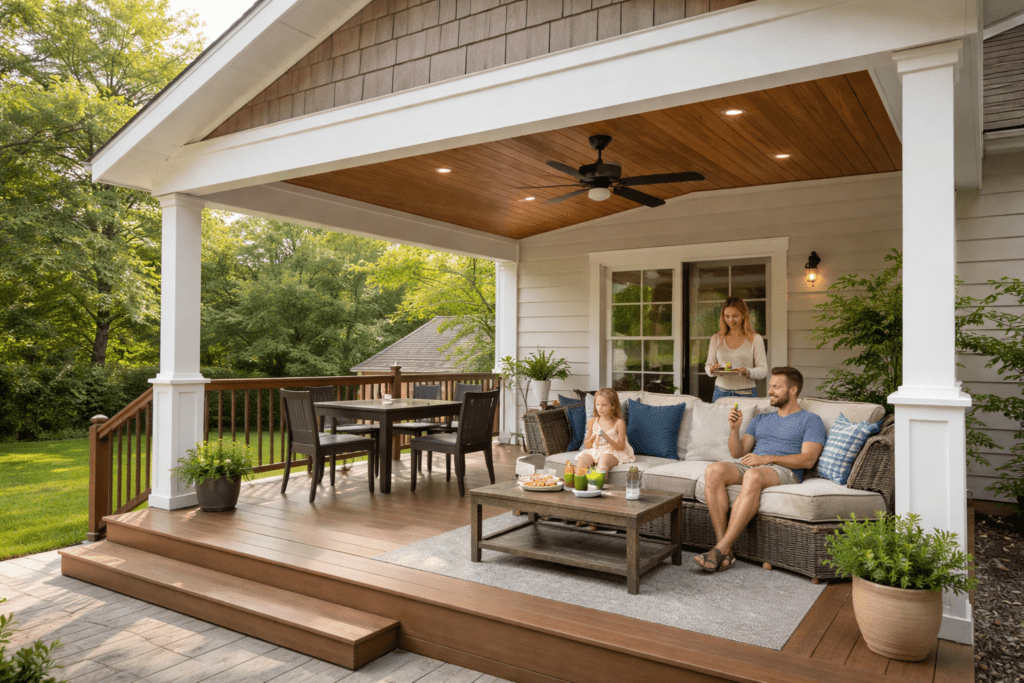
A more finished, intentional look. But once you add a roof, the project shifts from simple carpentry to true structural work.
A covered deck isn’t just a deck with a roof dropped on top. The loads change. The connections change. And mistakes become expensive quickly.
This guide explains how to build a covered deck correctly.
However, the structural principles covered in “How to Build an Elevated Deck,” “How to Build an Attached Deck,” and “How to Build a Composite Deck” are equally applicable.
For actionable, location-based bill of materials, cost estimates, and a pro-level PDF, you need the DeckMaster AI. Click on the image below to get it!

Use this guide and Best Practices on How to Build a Deck to learn the fundamentals. Use DeckMaster AI to build “your” deck with confidence.
Table of Contents
What Is a Covered Deck?
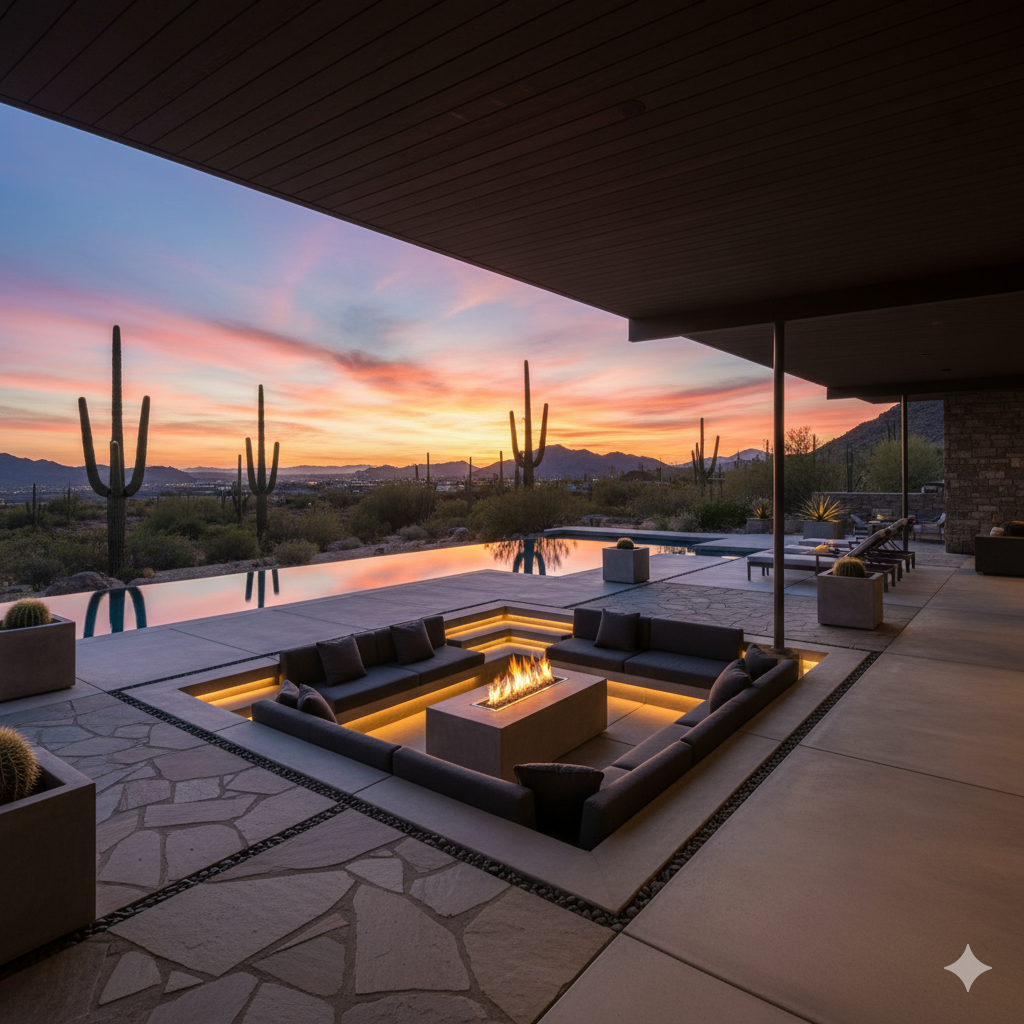
A covered deck is a deck structure with a permanent roof or overhead covering supported by posts, beams, or the house itself.
Covered Deck vs Pergola or Awning
Not all overhead structures are equal. A covered deck typically:
- Has a solid roof
- Carries snow and wind loads
- Requires footings sized for vertical loads
- Often needs permits and inspections
Pergolas and awnings do not provide the same protection or structural demands.
Why Homeowners Choose Covered Decks
Covered decks are popular because they:
- Extend usable outdoor time
- Protect furniture and finishes
- Reduce direct sun exposure
- Add architectural value to the home
They often become outdoor living rooms.
Planning a Covered Deck
Planning mistakes show up quickly once a roof is involved.
Permits and Structural Approval
Covered decks almost always require permits. Expect to submit:
- Framing plans
- Roof connection details
- Load calculations
Local codes matter more here than with open decks.
Budget and Scope Considerations
Covered decks cost more than open decks. Plan for:
- Additional footings and posts
- Roof framing and materials
- Electrical work for lighting or fans
The roof often costs as much as the deck itself.
How to Build a Covered Deck Structure
The structure must handle both deck loads and roof loads.
Footings and Posts
Posts supporting a roof must carry vertical load. This usually means:
- Larger footings
- Posts that run uninterrupted from footing to beam
- No splicing below the roof beam
Undersized footings are a common failure point.
Beams and Load Paths
Roof loads must transfer cleanly to the ground. Good design includes:
- Proper beam sizing
- Clear load paths
- Minimal reliance on fasteners alone
Gravity must always have a direct route downward.
How to Build a Covered Deck Attached to a House
Many covered decks connect to the home.
Ledger Boards and Roof Tie-Ins
Follow best practices from How to Build an Attached Deck, with added care. This includes:
- Proper ledger flashing
- Roof flashing where the cover meets the house
- Avoiding water traps at intersections
Water management becomes more complex.
Independent vs Attached Roof Structures
Some roofs attach to the house. Others are freestanding. Freestanding covers:
- Reduce the load on the house
- Simplify waterproofing
- Require additional posts and beams
Both approaches can work when engineered properly.
Roofing Options for Covered Decks
The roof defines comfort and appearance.
Matching the Existing Roof
Many homeowners choose:
- Matching shingles
- Similar pitch
- Aligned fascia and soffits
This creates a seamless look.
Alternative Roofing Materials
Other options include:
- Standing seam metal
- Polycarbonate panels
- Translucent roofing systems
Each option affects light, heat, and cost.
Framing the Deck Under a Cover
The deck below still needs to be built correctly.
Deck Framing and Joist Spacing
Use proven framing methods from:
- How to Build an Elevated Deck
- How to Build a Steel-Framed Deck for longer spans
Roof cover does not reduce deck load requirements.
Drainage and Water Control
Covered decks still get wet. Plan for:
- Proper slope
- Gaps between boards
- Water shedding away from the house
Never assume “covered” means dry.
Electrical and Comfort Features
Covered decks often include utilities.
Lighting, Fans, and Heaters
Common additions include:
- Ceiling fans
- Recessed or surface-mounted lighting
- Outdoor-rated heaters
Electrical work usually requires permits.
Ceiling Finishes
Ceiling options include:
- Painted plywood
- Tongue-and-groove boards
- Vinyl or composite panels
Ventilation is critical to prevent moisture buildup.
Railings and Stairs Under a Covered Deck
Safety remains unchanged.
Railing Requirements
Railings must meet code for:
- Height
- Load resistance
- Spacing
The presence of a roof does not change railing rules.
Stair Integration
Covered decks often connect to stairs. Ensure:
- Adequate headroom
- Weather-resistant materials
- Secure handrails
Plan stairs early to avoid conflicts with posts.
Covered Decks in Different Applications
Covered decks adapt to many layouts.
Ground-Level Covered Decks
At ground level:
- Drainage becomes critical
- Roof height must still meet code
- Airflow prevents trapped moisture
Low covers require careful detailing.
Elevated and Multi-Level Covered Decks
Elevated covered decks benefit from:
- Steel framing
- Larger posts
- Engineered connections
They offer views but demand precision.
Maintenance and Long-Term Care
Covered decks reduce exposure, not responsibility.
What the Cover Protects
A roof helps by:
- Slowing UV damage
- Reducing moisture exposure
- Extending finish life
It does not eliminate maintenance.
What Still Needs Attention
You still need to:
- Inspect roof flashing
- Clean gutters
- Check post bases and connections
Small leaks become big problems.
Common Covered Deck Mistakes
Most failures come from underestimating the roof. Avoid:
- Undersized posts or footings
- Poor flashing details
- Attaching roofs without engineering
- Blocking drainage paths
Roofs magnify mistakes.
Final Thoughts
A covered deck adds comfort, value, and year-round usability, but it also raises the stakes. Once a roof is involved, everything from footings to flashing must be done correctly. The structure must support more weight, manage more water, and meet stricter code requirements.
By combining solid deck-building practices from How to Build an Attached Deck and How to Build an Elevated Deck with careful roof planning and load management, you can build a covered deck that feels permanent, safe, and well-integrated with the home.
Take your time. Build it right. The payoff lasts for decades.