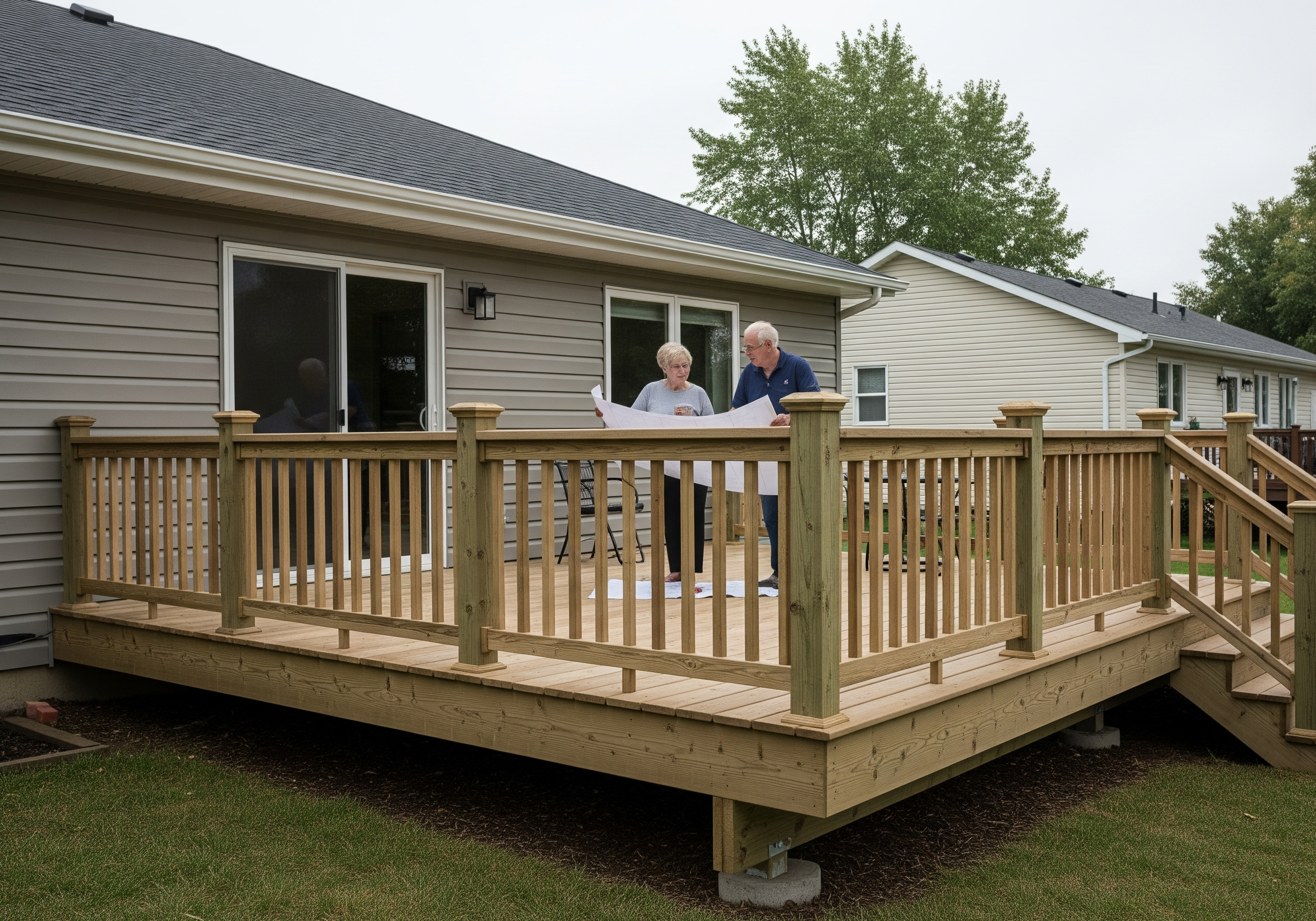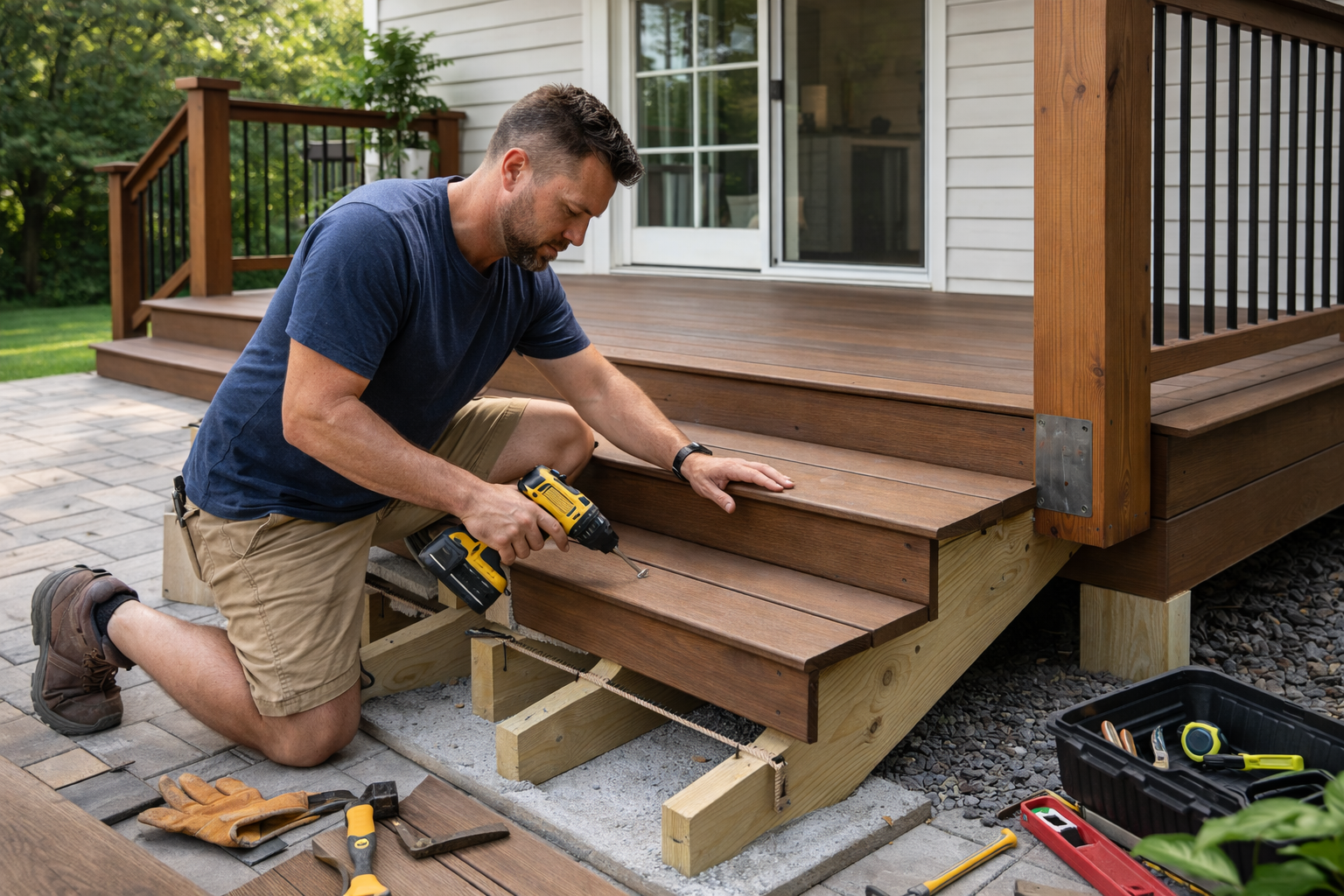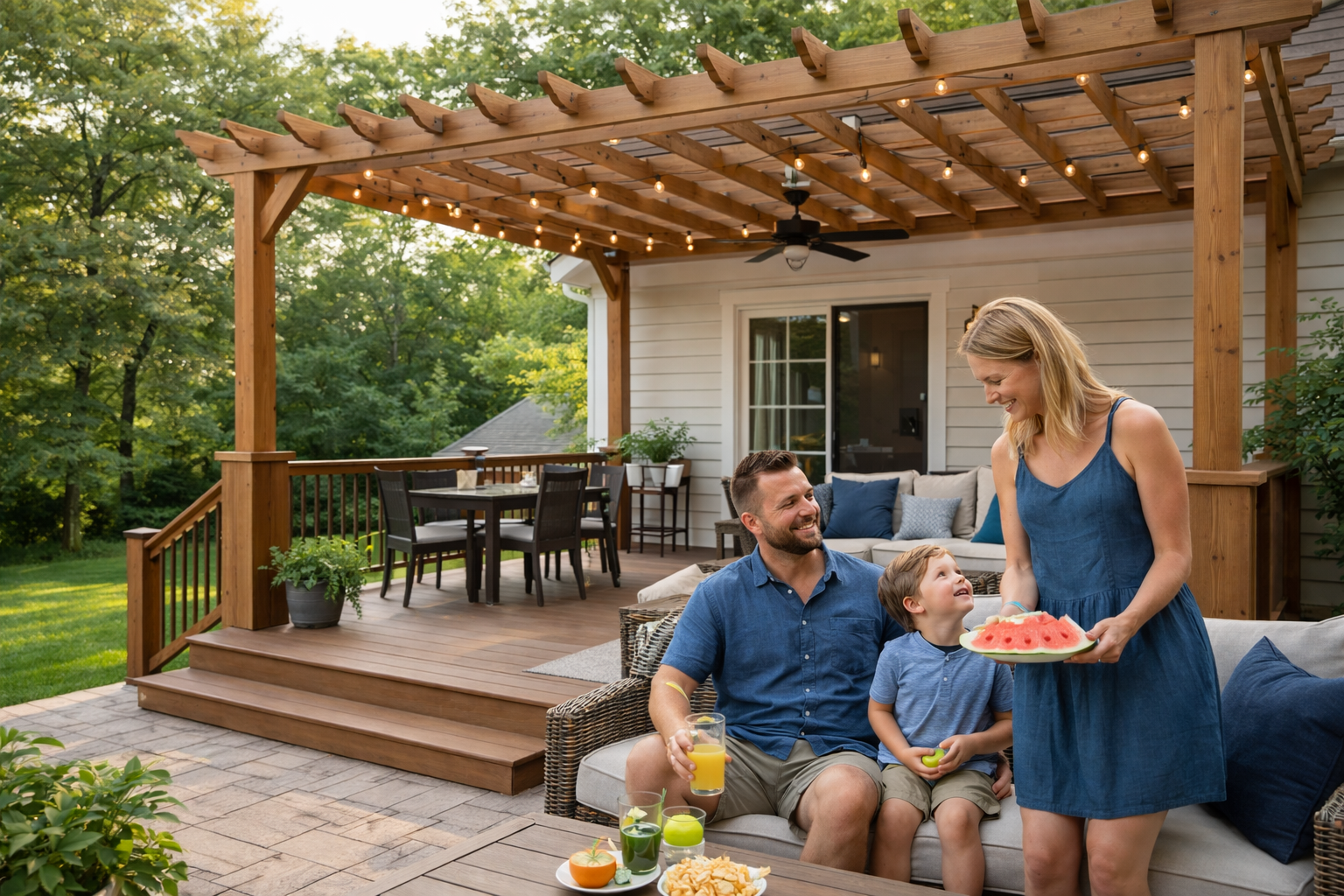
How to Build a Deck Over a Concrete Porch: Enhanced Home Value!
A concrete porch is functional, but it often feels unfinished. It can be cold underfoot, visually dated, and disconnected from the rest of the home’s exterior.
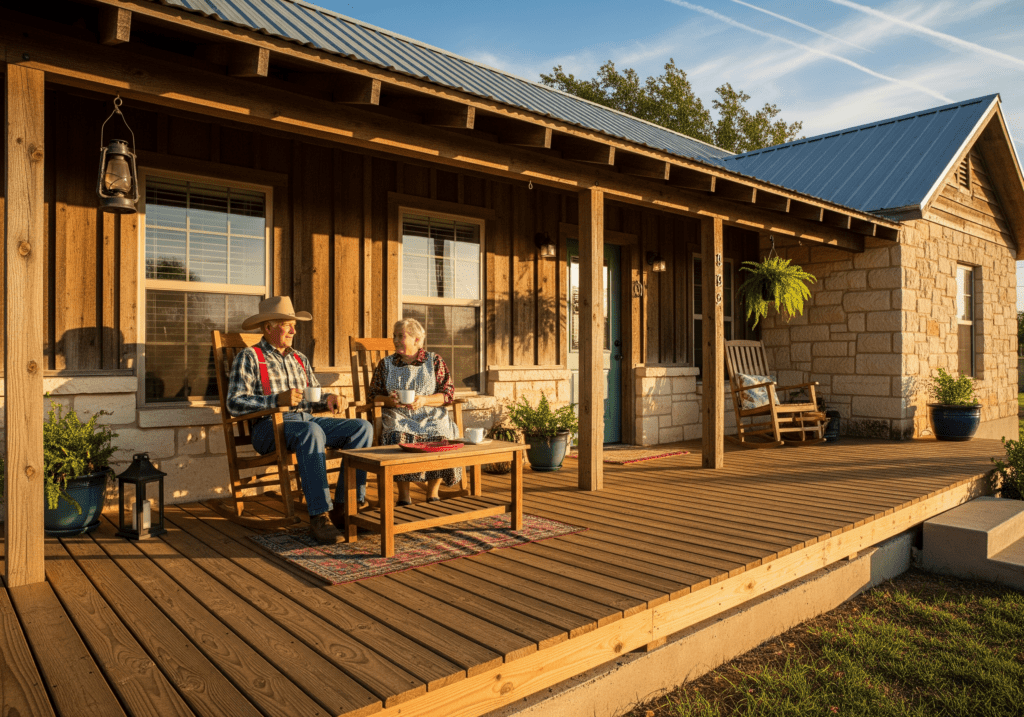
Building a deck over a concrete porch is a practical way to warm up the space, improve curb appeal, and create a more welcoming entry without tearing out the existing structure.
Porches present a few unique challenges compared to patios. They’re usually attached to the house, sit near door thresholds, and are highly visible.
This guide explains how to build a deck over a concrete porch correctly, with careful attention to height, moisture, and attachment details.
If you’ve already reviewed How to Build a Deck Over Concrete or How to Build a Deck Over a Concrete Patio, this article builds on those concepts with a focus on front-of-house conditions.
For actionable, location-based bill of materials, cost estimates, and a pro-level PDF, you need the DeckMaster AI. Click on the image below to get it!

Use this guide and Best Practices on How to Build a Deck to learn the fundamentals. Use DeckMaster AI to build “your” deck with confidence.
Table of Contents
When Building a Deck Over a Concrete Porch Makes Sense
Not every porch should be covered with decking.
Evaluating the Existing Porch
Before planning the deck, inspect the concrete carefully. It should be:
- Structurally sound with no major cracks
- Firmly attached to the house
- Properly sloped away from the door
- Free of signs of ongoing movement
A deck improves appearance and comfort, but it won’t fix structural problems.
Benefits of Decking Over a Porch
This approach works well when:
- The porch feels cold or uninviting
- You want a warmer, more finished look
- The concrete is stained or worn
- Removing the porch would be costly
Decking can dramatically change the first impression of a home.
Planning and Code Considerations
Porches fall under stricter scrutiny than backyard decks.
Permits and Local Requirements
Many jurisdictions regulate porch modifications closely. You may encounter rules related to:
- Finished height at entry doors
- Stair and handrail requirements
- Guardrails if height increases
- Attachment methods to the house
Always confirm requirements before starting work.
Finished Height and Door Clearance
Height planning is critical at a porch. Be sure to account for:
- Sleeper or framing thickness
- Deck board thickness
- Required clearance below door thresholds
Poor planning here can create tripping hazards or door interference.
How to Build a Deck Over a Concrete Porch: Moisture Control
Moisture control is essential at the front of the house.
Why Concrete Porches Trap Moisture
Concrete holds moisture and releases it slowly. When wood sits directly on it:
- Drying time increases
- Rot risk rises
- Mold can affect nearby siding and trim
The solution is separation and airflow.
Creating Drainage and Airflow
Best practices include:
- Elevating framing slightly above the concrete
- Using sleepers or adjustable supports
- Maintaining open drainage paths at edges
Even small gaps greatly reduce long-term risk.
Framing Options for Porch Decks
Framing choices depend on porch size and height limits.
Sleeper Systems for Low Porches
Sleepers work well when height is limited. They should be:
- Pressure-treated lumber
- Spaced to encourage drainage
- Installed so water cannot pool against them
Sleepers must never be buried or sealed tightly to concrete.
Raised Framing Where Height Allows
If the porch allows extra height, raised framing offers advantages. This approach:
- Improves airflow
- Makes leveling easier
- Reduces moisture exposure
It’s often the better choice for long-term durability.
Attaching the Deck to the House
Most porch decks are attached by nature.
Ledger Boards and Attachment
If a ledger board is used:
- It must connect to structural framing
- Flashing is mandatory
- Fastener spacing must meet code
Ledger details should follow the same standards outlined in How to Build an Attached Deck.
Avoiding Common Attachment Mistakes
Never:
- Attach through the siding only
- Skip flashing at the wall
- Trap decking tight against the house
Front-entry moisture problems are highly visible and costly.
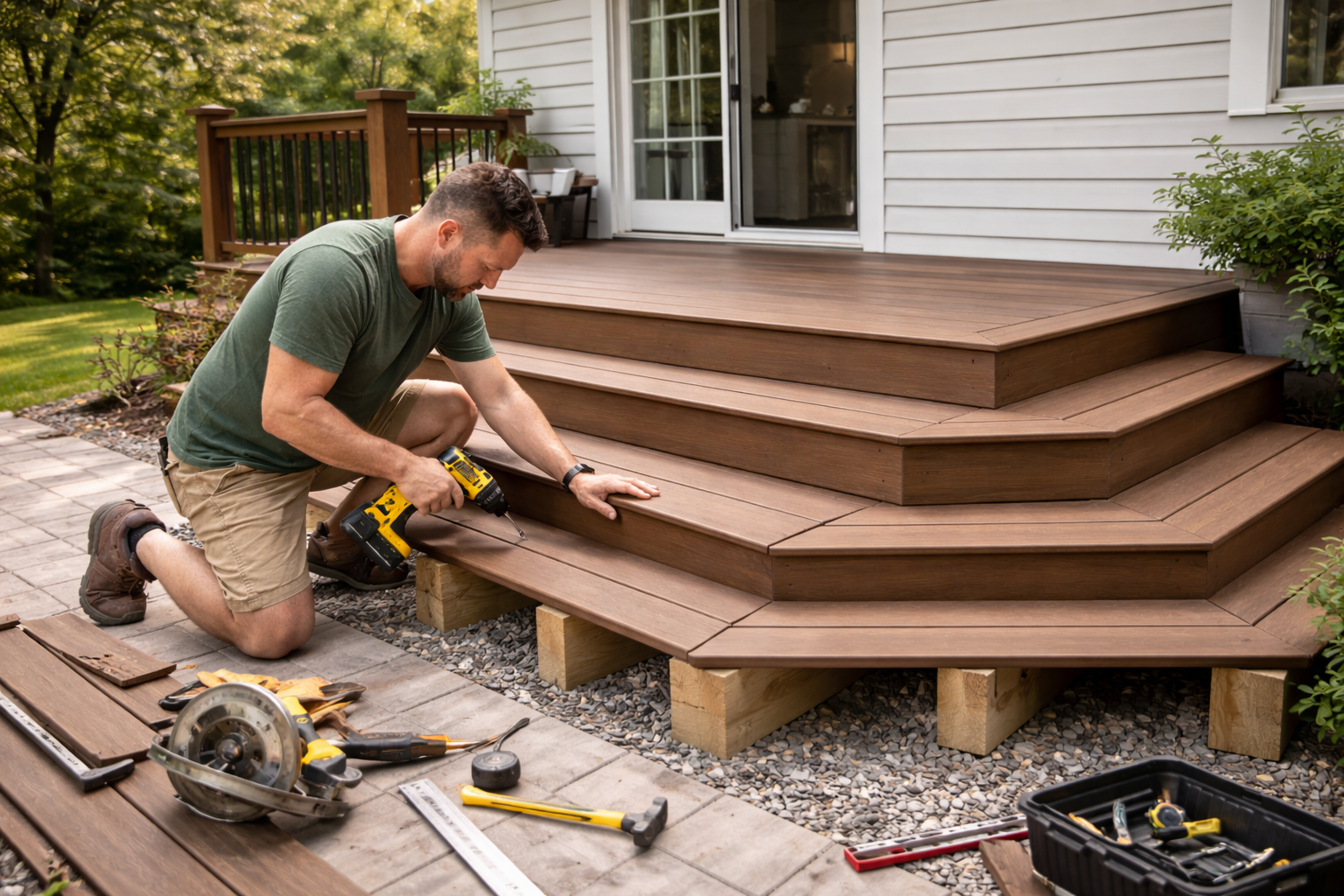
Installing Deck Boards on a Porch
Decking choice affects both function and appearance.
Choosing the Right Decking Material
Porch decks benefit from stable materials. Good options include:
- Composite decking
- PVC decking
- High-quality treated wood
Slip resistance is especially important at entryways.
Board Layout and Spacing
Pay attention to:
- Board direction relative to the door
- Clean edges at steps and trim
- Proper spacing for drainage and movement
Small layout details stand out at the front of a home.
Stairs, Railings, and Transitions
Porch decks often change how people enter the house.
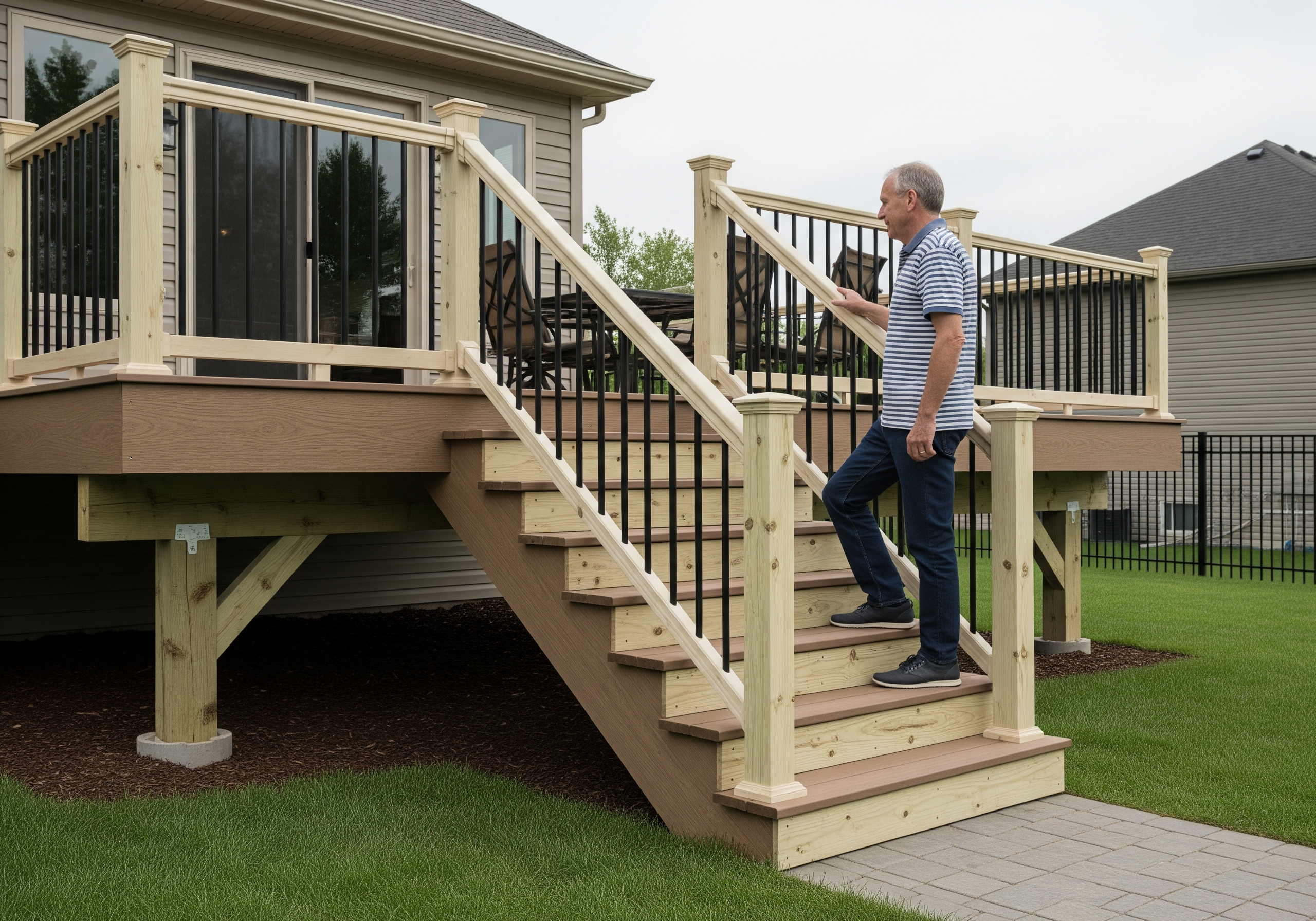
Adjusting Steps and Landings
Adding decking may require:
- Rebuilding steps
- Adjusting riser heights
- Adding or modifying landings
Stair geometry must remain consistent and safe.
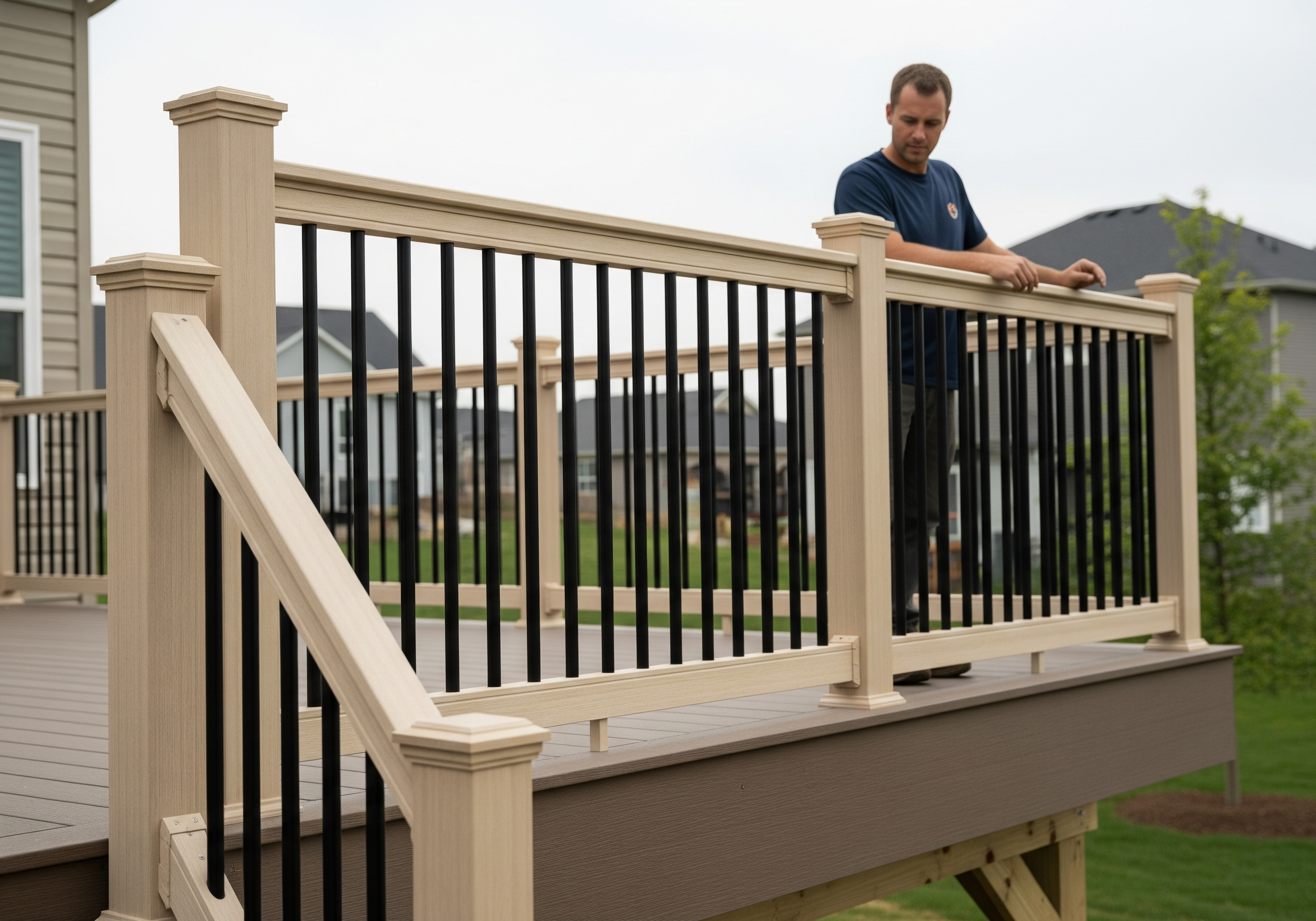
Railings and Handrails
If height changes:
- Guardrails may be required
- Handrails must meet code
- Posts must be structurally anchored
Safety requirements often apply even to small changes.
Finishing Details and Curb Appeal
Porch decks are always on display.
Fascia, Trim, and Skirting
Clean edges matter. Use fascia to:
- Hide framing
- Create crisp lines
- Match the home’s style
Avoid trapping moisture behind trim or skirting.
Lighting and Visual Balance
Consider:
- Low-profile step lighting
- Subtle accent lighting
- Finishes that complement siding and doors
A well-lit porch feels safer and more inviting.
Maintenance and Long-Term Care
Porch decks see constant use and weather exposure.
Routine Maintenance
Plan to:
- Keep gaps clear of debris
- Wash the deck regularly
- Inspect attachment points annually
Front decks age faster due to traffic.
Early Warning Signs
Watch for:
- Persistent dampness near the door
- Soft spots in boards
- Staining on siding or trim
Early repairs protect both deck and house.
Common Mistakes to Avoid
Porch decks fail when details are overlooked. Avoid:
- Building directly on concrete
- Blocking drainage at edges
- Ignoring door clearance
- Treating porch decks like backyard decks
Front-of-house work demands extra care.
Final Thoughts
Building a deck over a concrete porch is a powerful way to upgrade the look and feel of your home’s entry. When planned carefully, it adds warmth, comfort, and curb appeal without compromising structure or safety.
By applying the moisture-control strategies from How to Build a Deck Over Concrete and the attachment principles from How to Build an Attached Deck, you can create a porch deck that feels intentional, welcoming, and durable for years to come.