How to Build an Elevated Deck: Ensure Strong Structure through Safe Design
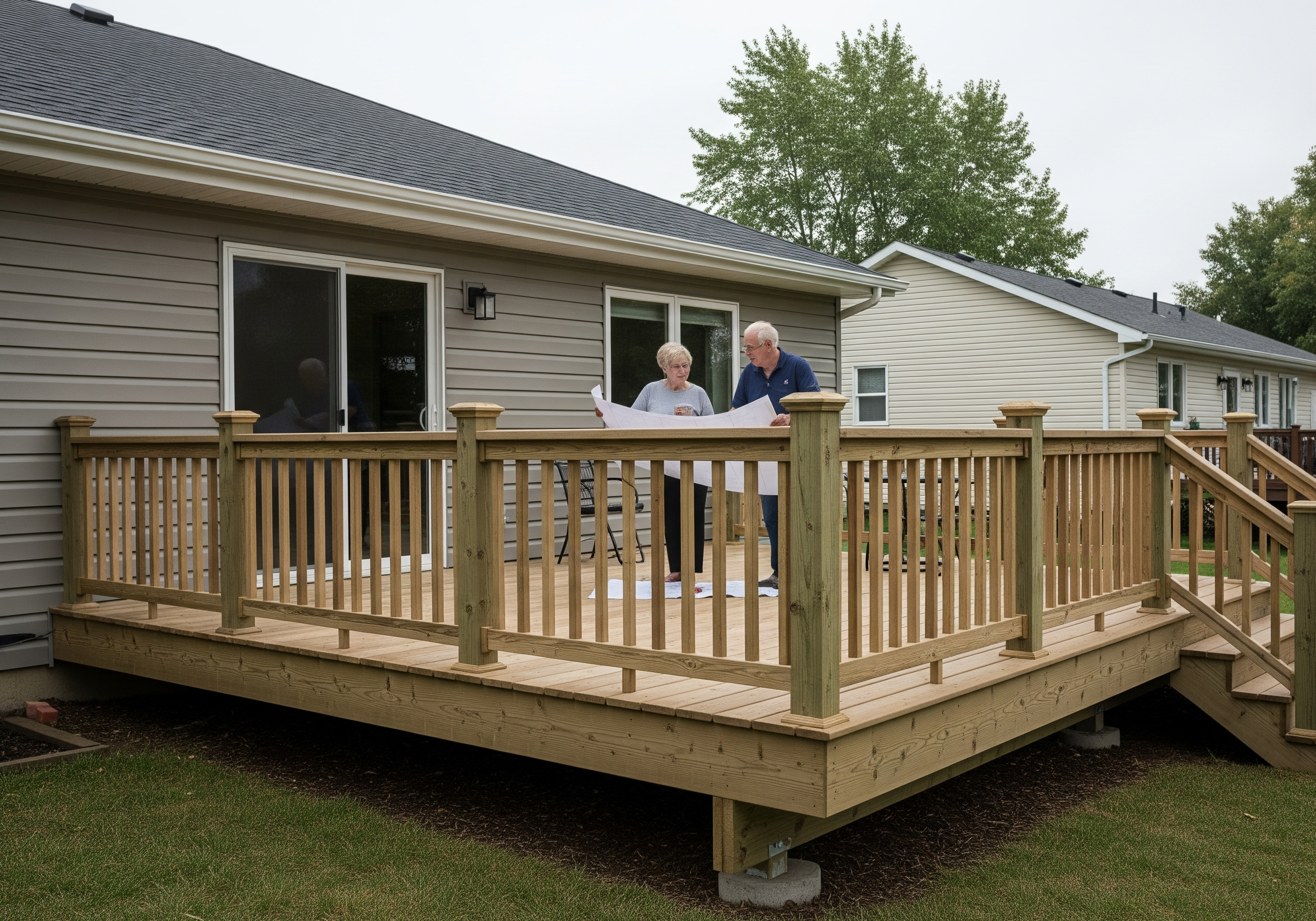
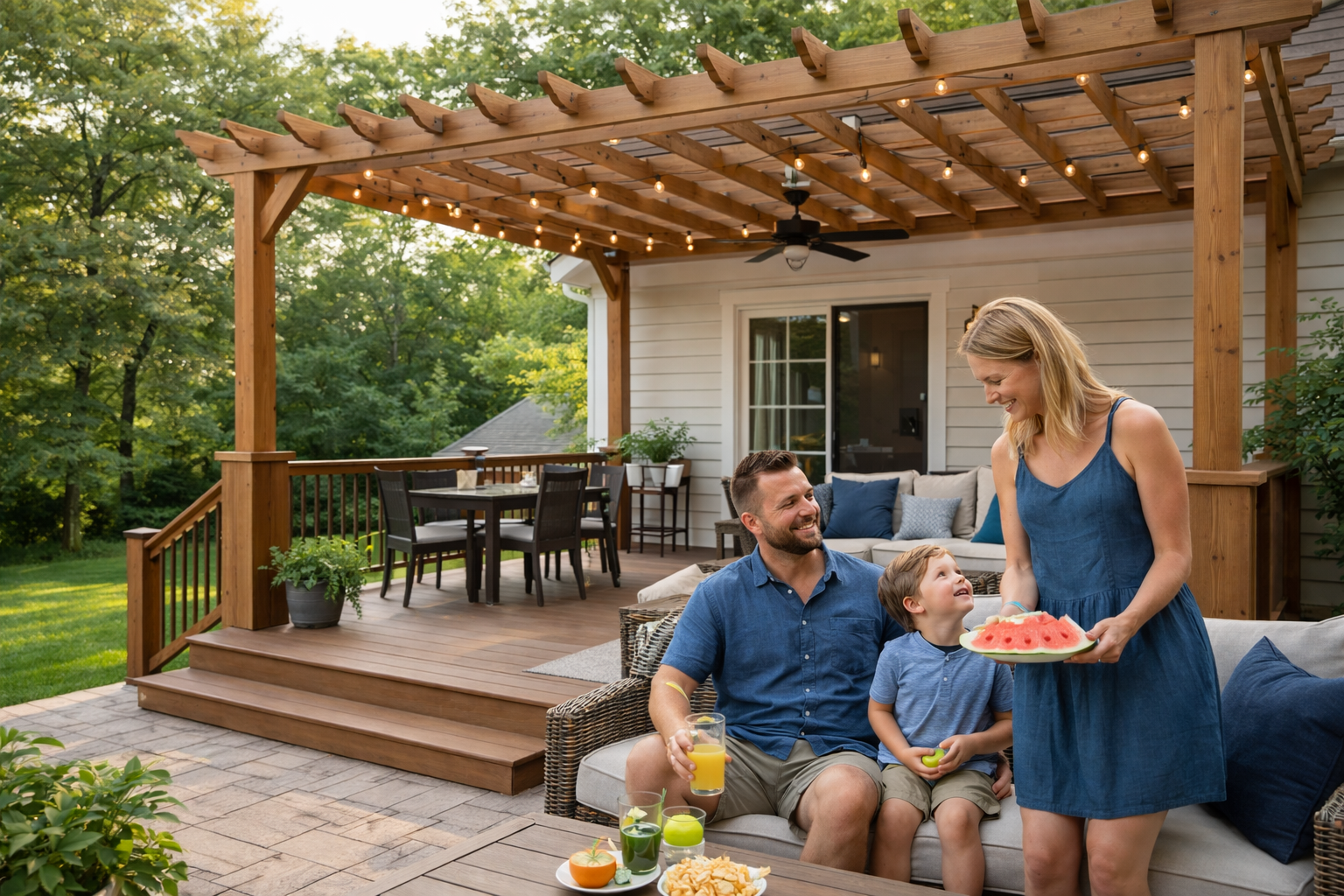
An elevated deck creates usable outdoor space where the ground drops away from the house. It can open up views, add value, and transform awkward terrain into something functional and inviting.

At the same time, elevated decks carry more structural responsibility than low or ground-level designs.
Height introduces risk. Loads are higher. Falls are possible. Inspections are stricter. That’s why elevated decks demand careful planning, solid framing, and strict attention to code details.
This guide walks through how to build an elevated deck correctly, with a focus on safety, durability, and long-term performance.
Many of the concepts here build on ideas from How to Build an Attached Deck and How to Build a Ground-Level Deck, but elevated decks take those principles further.
For actionable, location-based bill of materials, cost estimates, and a pro-level PDF, you need the DeckMaster AI. Click on the image below to get it!

Use this guide and Best Practices on How to Build a Deck to learn the fundamentals. Use DeckMaster AI to build “your” deck with confidence.
Table of Contents
What Is an Elevated Deck?
An elevated deck is any deck surface raised significantly above grade, often more than 30 inches.
How Elevated Decks Differ From Low Decks
The difference is more than height. Elevated decks:
- Require posts, beams, and footings
- Almost always need guardrails and stairs
- Carry higher structural loads
- Face stricter inspection standards
Mistakes that might go unnoticed on a low deck become serious hazards when the deck is elevated.
When an Elevated Deck Makes Sense
An elevated deck is often the best option when:
- The house sits above a slope or walkout basement
- You want views over the yard or landscape
- Ground-level space is limited or uneven
- Direct access from upper floors is needed
Elevation adds complexity, but it also adds opportunity.
Planning and Permits
Elevated decks almost always require permits.
Code Requirements and Inspections
Local codes typically regulate:
- Footing depth and size
- Beam and joist spans
- Guardrail height and spacing
- Stair and handrail dimensions
- Lateral load connections
Expect multiple inspections during the build process.
Designing for Height and Use
Before finalizing the design, consider:
- How the deck will be used
- Furniture layout and traffic flow
- Stair placement and landing areas
- Shade, wind, and privacy
An elevated deck should feel secure and comfortable, not exposed or cramped.
How to Build an Elevated Deck Safely and Correctly
This section covers the core structural principles.
Footings and Foundations
Everything starts below ground. Footings must:
- Extend below frost depth
- Be sized for the load above
- Be placed accurately and consistently
Poor footing placement causes long-term movement and instability.
Posts, Beams, and Load Paths
Loads must travel cleanly from deck to soil. That means:
- Posts aligned directly over footings
- Beams properly sized and supported
- No reliance on fasteners alone for load transfer
A clear load path is non-negotiable.
Attaching an Elevated Deck to a House
Generally elevated decks are attached rather than freestanding.
Ledger Board Installation
The ledger board supports one side of the deck. Proper installation includes:
- Structural fasteners into solid framing
- Approved spacing patterns
- Full flashing integration
Ledger failures are one of the most common causes of deck collapse.
Flashing and Water Management
Water intrusion damages both deck and the house. Flashing should:
- Extend behind the house wrap
- Cover the ledger completely
- Direct water away from the wall
Never rely solely on sealant.
Framing an Elevated Deck
Framing creates stiffness and stability.
Joist Sizing and Spacing
Elevated decks amplify bounce. To control movement:
- Use joist sizes appropriate for the span
- Avoid maximum span limits when possible
- Add blocking where needed
A stiff deck feels safer and lasts longer.
Bracing and Lateral Stability
Tall decks need lateral support. This may include:
- Diagonal bracing between posts
- Code-required tension ties
- Rigid connections at beam-to-post joints
Movement at height feels worse than movement near the ground.
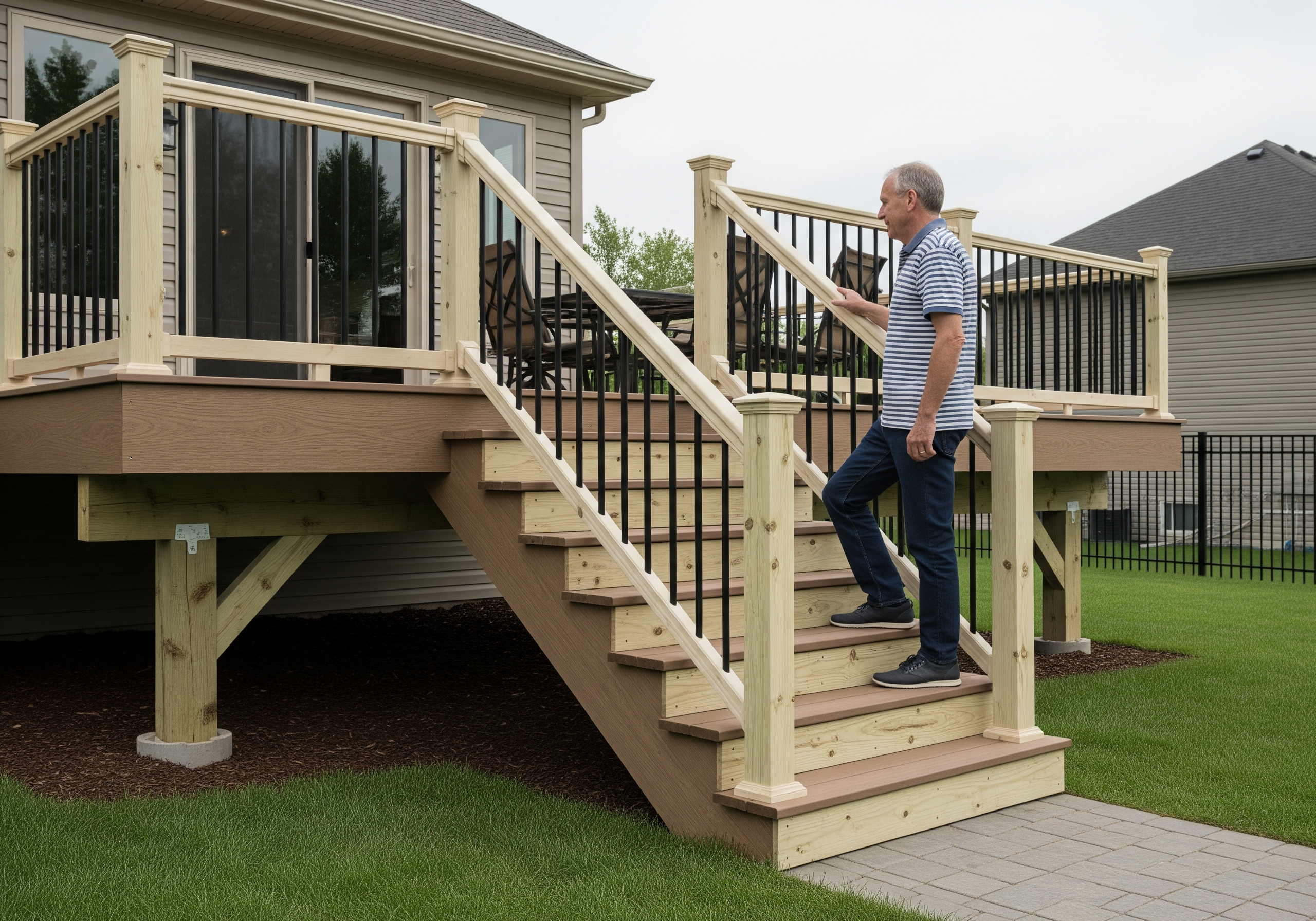
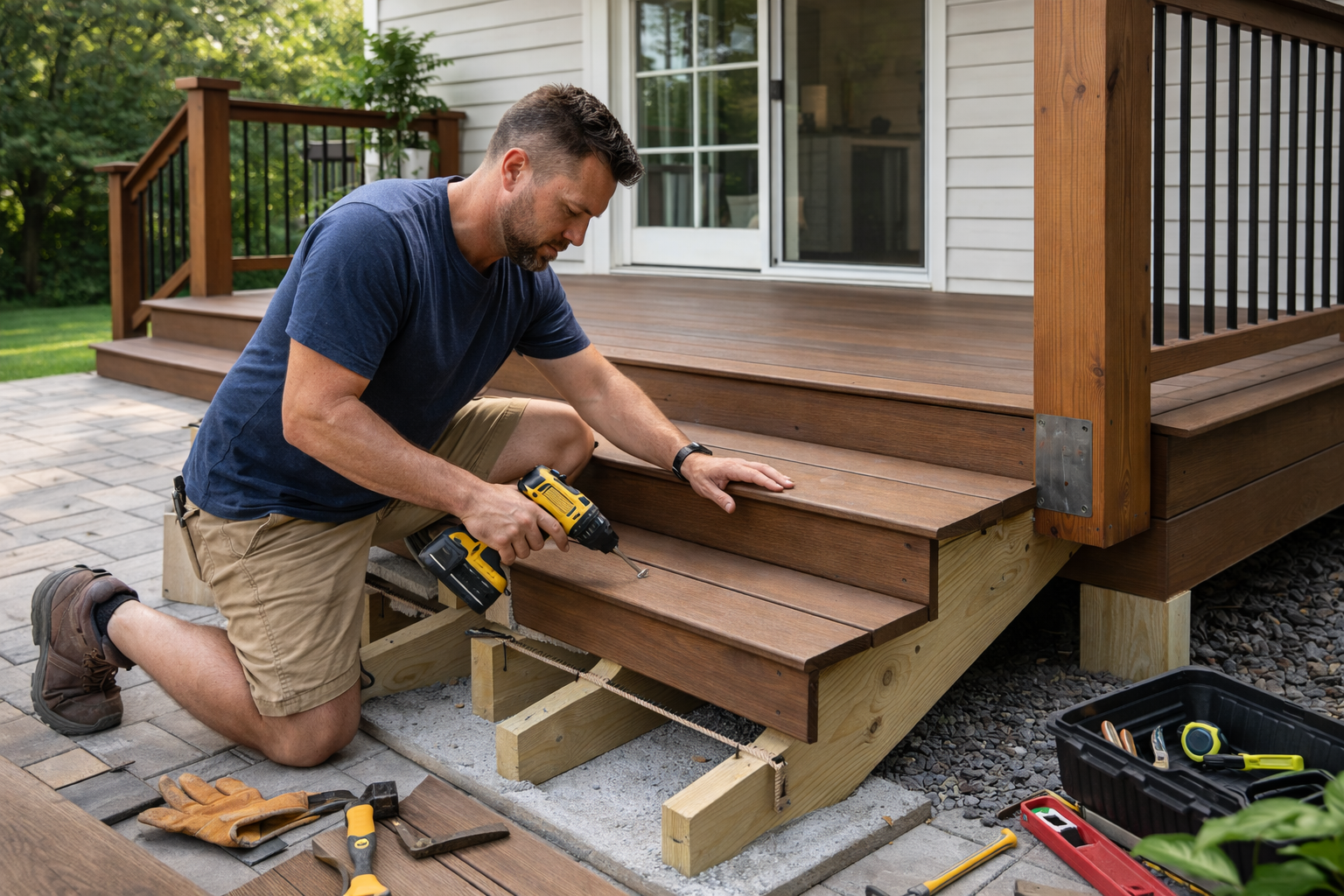
Stairs and Access
Stairs are essential on elevated decks.
Stair Layout and Design
Stairs should feel natural and safe. Design considerations include:
- Consistent rise and run
- Adequate width for traffic
- Proper landing areas at the top and bottom
Poor stair design is both unsafe and uncomfortable.
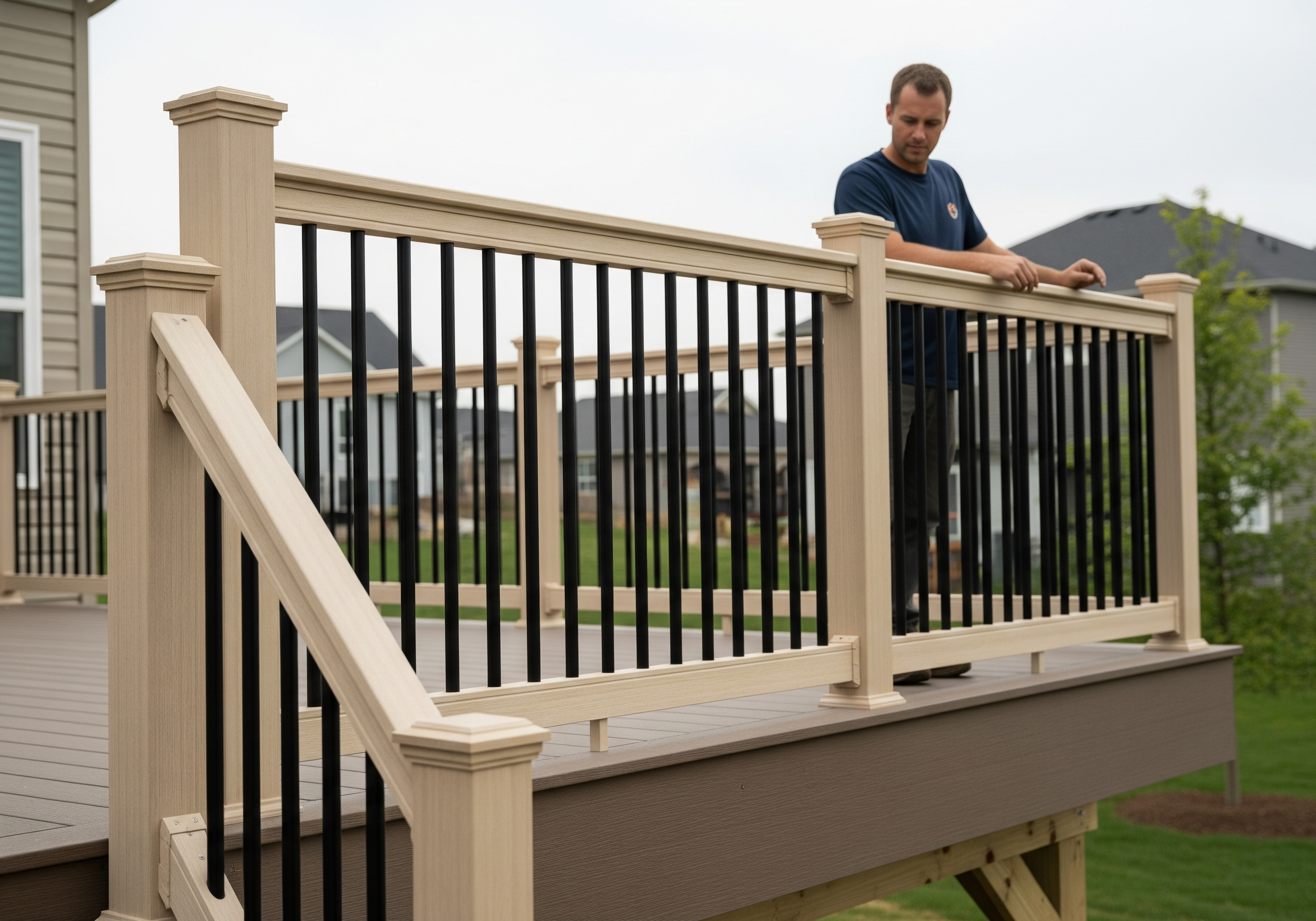
Handrails and Guardrails
Guardrails protect people from falls. Most codes require:
- Guardrails above a certain height
- Specific baluster spacing
- Continuous handrails on stairs
Posts must be anchored to framing, not surface-mounted.
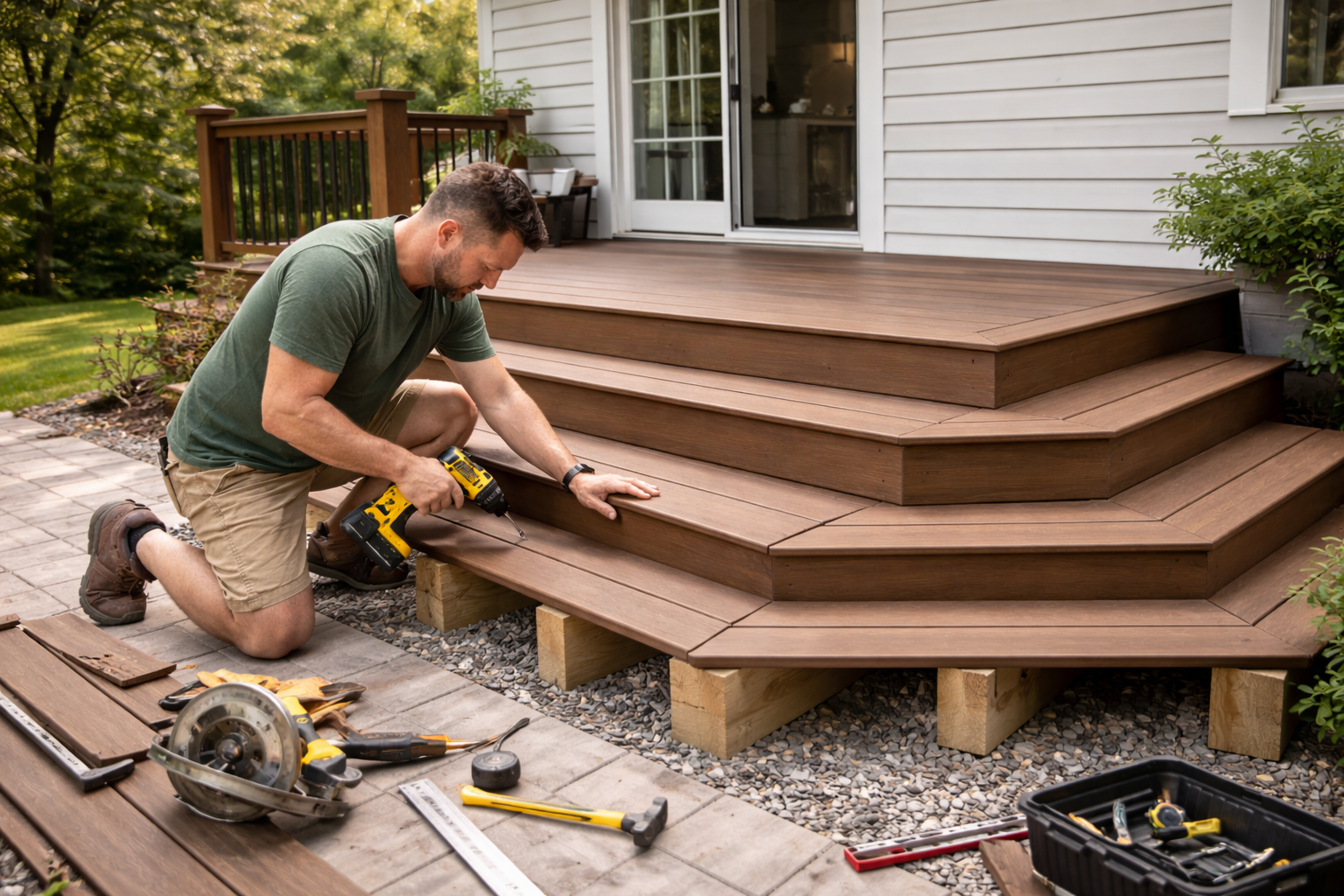
Decking Installation
Deck boards finish the structure but also affect performance.
Board Layout and Orientation
Plan layout early. Consider:
- Board direction relative to the house
- Seam placement and edge alignment
- Water drainage paths
A clean layout improves both appearance and function.
Fastening and Movement
Use fasteners rated for exterior use. Best practices include:
- Consistent fastening patterns
- Allowing for expansion and contraction
- Avoiding over-driven screws
Movement at height feels exaggerated.
Safety and Comfort Features
Elevated decks benefit from added safety details.
Lighting and Visibility
Lighting improves safety and usability. Good locations include:
- Stair treads
- Landings
- Walking paths
Low-voltage systems work well and are easy to integrate.
Wind and Privacy Considerations
Elevation increases exposure. You may need:
- Privacy screens
- Wind breaks
- Strategic railing infill choices
Comfort keeps the deck usable year-round.
Maintenance and Inspection
Elevated decks require ongoing attention.
Routine Inspection Areas
At least once a year:
- Check posts and beams for movement
- Inspect ledger flashing
- Tighten fasteners where needed
Problems are easier to fix early.
Long-Term Structural Care
Watch for:
- Cracks in posts or beams
- Guardrail looseness
- Stair movement
Height magnifies small issues.
Common Mistakes to Avoid
Elevated decks fail when builders underestimate risk. Avoid:
- Undersized footings
- Weak ledger connections
- Skipping bracing
- Treating elevated decks like low decks
Height demands respect.
Final Thoughts
An elevated deck adds usable space and visual impact, but only when built with structure and safety as top priorities. The higher the deck, the more important every connection becomes.
If you apply the lessons from How to Build an Attached Deck and How to Build a Ground-Level Deck, then scale them up with stronger framing, deeper footings, and better bracing, an elevated deck can be both beautiful and rock-solid for decades to come.